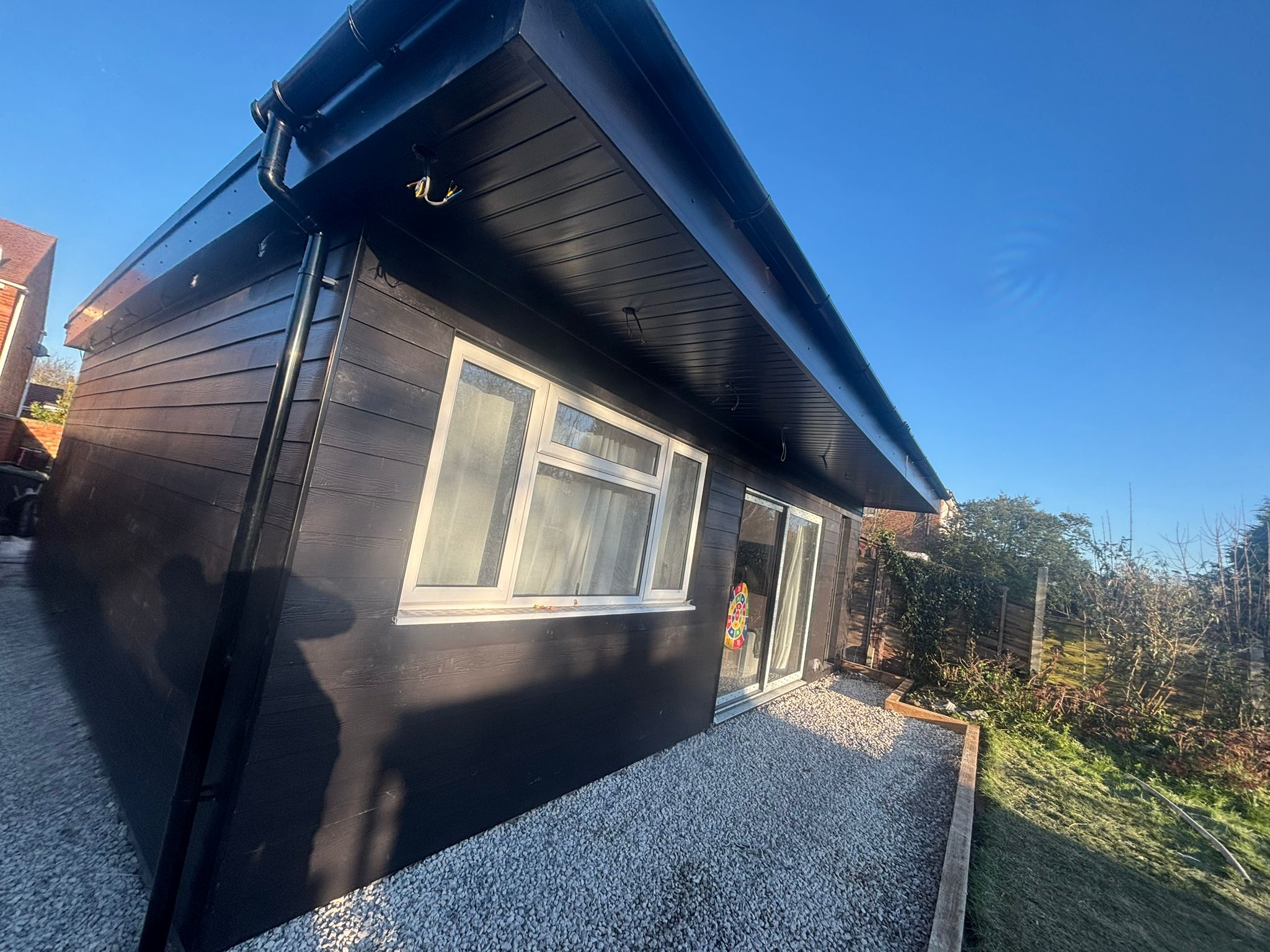
External cladding has become an increasingly popular choice for homeowners looking to improve their property’s appearance, weather protection and energy efficiency. Whether you’re renovating an older home, updating a tired exterior or building an extension, cladding offers a practical and attractive solution that can transform how your property looks and performs.
But with different materials, installation methods and considerations to weigh up, it’s worth understanding what cladding involves before making any decisions.
What Is External Cladding?
External cladding is a protective outer layer fitted to the exterior walls of a building. It acts as a weatherproof barrier whilst also improving the visual appeal of your home. Cladding can be installed over existing walls, making it a practical option for updating older properties without major structural work.
Modern cladding systems are designed to be durable, low maintenance and versatile. They come in various materials, colours and finishes, allowing homeowners to achieve different architectural styles whilst benefiting from improved insulation and weather resistance.
Why Homeowners Choose External Cladding
There are several practical reasons why cladding has become such a popular exterior solution across the UK.
Protection from the Elements
Cladding creates a robust barrier against wind, rain and moisture, helping to prevent issues like damp, water ingress and structural damage over time. This is particularly valuable in the British climate where properties face constant exposure to wet weather.
Improved Energy Efficiency
Many cladding systems include or allow for additional insulation to be fitted behind the cladding boards. This can reduce heat loss through external walls, potentially lowering heating costs and making your home more comfortable year-round.
Enhanced Kerb Appeal
Cladding can completely refresh the look of a property, covering up tired or damaged brickwork and giving your home a clean, modern finish. The range of colours and styles available means you can create the exact look you want, whether that's contemporary, traditional or something in between.
Low Maintenance Requirements
Unlike painted render or timber that may need regular repainting, quality cladding materials typically only need occasional cleaning to keep them looking their best.
Types of Cladding Materials
Different cladding materials suit different properties, budgets and aesthetic preferences. Understanding the main options helps you make an informed choice.
uPVC Cladding
This is a cost-effective and widely used option. It's lightweight, doesn't rot or corrode, and requires minimal upkeep. Available in various profiles including shiplap styles, uPVC cladding suits both modern and traditional properties. It's particularly popular for garages, extensions and garden buildings.
Composite Cladding
Composite cladding combines wood fibres with recycled plastic to create boards that look like natural timber but with improved durability. This material resists warping, splitting and insect damage whilst maintaining an authentic wood-grain appearance. Composite cladding works well on whole houses or specific features like gable ends.
Fibre Cement Cladding
This material offers exceptional longevity and fire resistance. Brands like James Hardie's Hardi Plank and Marley Eternit produce boards that can replicate traditional weatherboarding or create sleek contemporary finishes. This material is particularly suited to homes where building regulations require non-combustible cladding solutions.
Each material has distinct characteristics in terms of appearance, lifespan and maintenance needs. The choice often depends on your property type, local planning considerations and personal preferences.
Where Cladding Is Typically Used
Cladding isn't just for entire house exteriors. It's a versatile solution that works in various applications.
Whole House Installations
Complete exterior cladding can completely transform a property's appearance, particularly effective on older homes with tired or damaged external walls. This approach provides comprehensive weather protection and insulation benefits across the entire building envelope.
Extensions and New Builds
These often feature cladding as part of the original design. It can help new additions blend with existing structures or create deliberate architectural contrast depending on your vision.
Garages and Outbuildings
These structures benefit from cladding's weather resistance and low maintenance properties. They often face harsher conditions than main houses, making durable cladding a practical choice.
Commercial Properties
Office buildings, retail units and industrial premises increasingly use cladding for both aesthetic and practical reasons. They can all benefit from the protection and professional appearance that quality cladding provides.
Installation Considerations
Professional installation is essential for achieving the performance and appearance that quality cladding materials can deliver.
The process typically begins with a thorough assessment of your existing walls. The structure needs to be sound, and any underlying issues with damp or structural problems should be addressed before cladding installation begins.
A framework of battens is usually fitted to the wall, creating a cavity for ventilation and allowing space for insulation if required. This cavity is crucial for preventing moisture buildup and ensuring the cladding system performs as intended.
The cladding boards are then fixed to this framework according to the manufacturer's specifications. Proper installation includes correct overlaps, appropriate fixings and attention to details around windows, doors and other features. Quality workmanship at this stage determines how well your cladding will perform over the coming years.
Project duration varies considerably depending on the size and complexity of the work. A small garage might take just a day or two, whilst a full house installation could take several weeks.
Long-Term Performance and Maintenance
One of cladding's key attractions is its durability, but longevity depends on the material chosen and how well it's maintained.
Most quality cladding systems are designed to last for decades with minimal intervention. However, regular inspections help catch any minor issues before they develop into larger problems. Keeping cladding clean and ensuring drainage channels remain clear helps maintain both appearance and performance.
Different materials age in different ways. Some develop a natural patina over time, whilst others maintain their original appearance for many years. Understanding what to expect from your chosen material helps you plan appropriate maintenance.
Planning and Building Regulations
Cladding installations may require planning permission or building regulations approval depending on your circumstances.
Listed buildings and properties in conservation areas typically need planning permission for external alterations. Even for standard residential properties, there are permitted development rules that govern how much of your home's exterior can be altered without formal approval.
Building regulations apply to most cladding installations, particularly where insulation is being added or fire safety is a consideration. Working with experienced installers who understand these requirements ensures your project complies with all necessary regulations.
Choosing the Right Cladding for Your Home
Several factors should influence your cladding choice.
Property Style
Traditional homes often suit weatherboard-style cladding, whilst modern properties might benefit from sleek horizontal boards or vertical profiles.
Local Climate and Exposure
Properties in exposed locations need particularly robust cladding systems that can withstand driving rain and strong winds.
Budget
This inevitably affects material choice, but it's worth considering long-term value rather than just initial costs. A more durable material with longer guarantees may prove more economical over time.
Maintenance Preferences
If you want a completely hands-off solution, materials that never need painting or treating should be priorities.
Frequently Asked Questions
About M3 Property Maintenance
M3 Property Maintenance has been serving homeowners across Milton Keynes and surrounding areas for over 9 years, with the team bringing more than 25 years of combined experience to every project. We specialise in external property improvements including fibre cement, composite and uPVC cladding installations.
Our approach focuses on quality workmanship, transparent communication and installations that stand the test of time. We work with leading manufacturers to ensure you receive materials backed by comprehensive guarantees, and we take care to understand your specific needs before recommending solutions.
If you're considering cladding for your property, we're here to provide honest advice and professional installation. Get in touch to discuss your project and arrange a no-obligation site assessment.