If you’re weighing up whether external cladding is worth the investment, one of the first questions you’ll likely ask is whether it actually adds value to your property. Cladding represents a significant financial commitment, so understanding the potential return matters.
In short, yes.
External cladding can add value to your house, but the extent depends on several factors including the quality of installation, materials chosen, and the current condition of your property.
How Cladding Influences Property Values
External cladding impacts property value through:
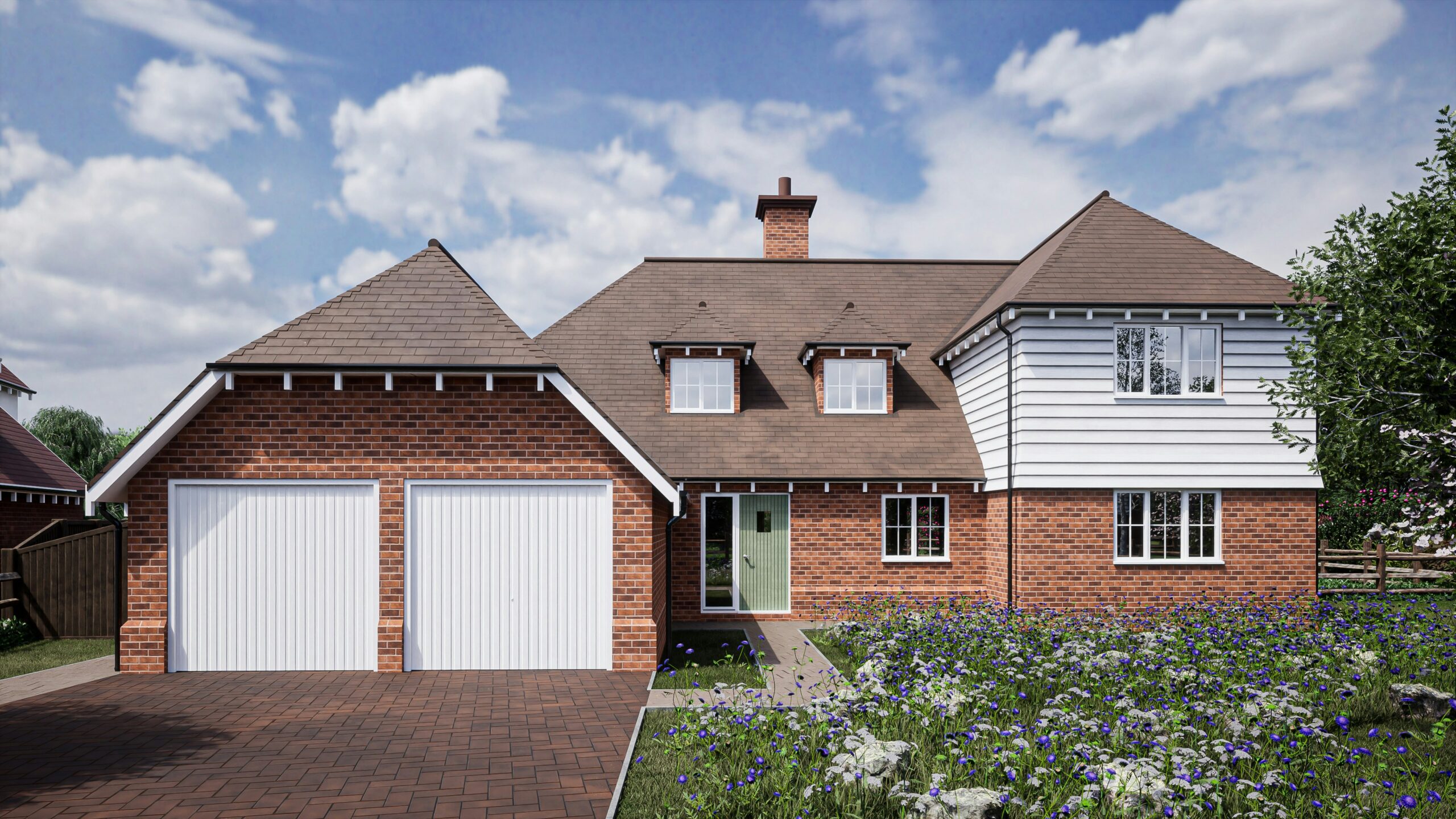
Improved kerb appeal: Fresh cladding creates strong first impressions, making homes look cared for and move-in ready, which attracts more viewings and stronger offers in competitive markets.
- Enhanced energy efficiency: Additional insulation reduces heating costs and improves EPC ratings, appealing to buyers concerned about running costs and environmental impact.
Weather protection: Shielding walls from moisture and wind prevents costly issues like damp, particularly valuable on older properties where external walls might otherwise need attention.
These improvements work together to make your property more attractive to potential buyers. A home that looks well-maintained, costs less to run and requires minimal future work naturally commands stronger interest in the market. The combination of visual appeal and practical benefits creates value that buyers can recognise.
The Financial Return on Cladding
Working out the exact value increase from cladding isn't straightforward because property values depend on numerous variables including location, overall condition, and local market dynamics. However, well-executed cladding will typically deliver a positive return, particularly when it transforms a tired-looking property into something visually appealing. The investment often pays for itself through a combination of increased sale price and reduced time on the market.
The return varies depending on your starting point. If you're cladding a property with damaged or unattractive external walls, the value uplift will likely be more significant than cladding an already well-presented home. Similarly, choosing appropriate materials for your property type and local area affects both costs and returns.
Beyond Resale Value
Reduced maintenance also offers a practical advantage. Quality cladding materials require minimal upkeep. Especially when compared to painted render or exposed brickwork that needs regular attention. This will save homeowners time and money over the years.
Lower energy bills provide ongoing savings that compound over time, and if your cladding installation includes insulation improvements, there will be a benefit from the reduced heating costs immediately. Better insulation can also mean more consistent internal temperatures, fewer drafts, and a generally more pleasant living environment for residents.
Installation Quality Matters
The value cladding adds depends heavily on installation quality. Poor workmanship can actually decrease property value by creating problems like inadequate ventilation, moisture trapping or visual defects that buyers and surveyors will flag.
Professional installation ensures your cladding performs as intended and meets building regulations. This matters not just for functionality but also for demonstrating to future buyers that work was completed to proper standards. Having paperwork showing building regulations compliance and manufacturer guarantees adds credibility during property sales.
When Cladding Makes Most Financial Sense
Cladding delivers strongest returns in specific scenarios. Properties with damaged, unattractive, or high-maintenance exteriors will naturally see the most dramatic transformation and value increase. If your external walls are already in good condition, the financial return from cladding becomes more about future protection and energy savings than short-term value uplift.
Pre-sale improvements often justify an investment in cladding, particularly if a property's external appearance is contributing to a reduction in viewings or offers. The combination of improved presentation and reduced buyer concerns about external maintenance can make a difference to sale outcomes.
Making the Decision
Whether cladding adds sufficient value to justify the investment depends on your specific circumstances. If you're planning to stay in your property for several years, you’ll benefit from energy savings, reduced maintenance, and improved comfort whilst also building equity through the property improvement. The value equation becomes more favourable the longer you enjoy these benefits before selling.
For properties you intend to sell soon, cladding makes most sense when external conditions are clearly affecting marketability. Professional advice helps you assess whether cladding makes financial sense for your situation.
For more information, read our External Cladding Guide to learn more.
Frequently Asked Questions
About M3 Property Maintenance
M3 Property Maintenance brings over 25 years of combined experience to cladding installations across Milton Keynes and surrounding counties. We've helped numerous homeowners improve their properties' value, appearance and performance through quality cladding solutions.
Our approach starts with understanding your objectives, whether that's preparing for sale, reducing maintenance, improving energy efficiency or simply refreshing your home's appearance. We provide transparent assessments and work with premium materials that deliver lasting value.
If you're considering cladding and want to understand the value it could add to your property, get in touch to discuss your project and arrange a no-obligation site assessment.