External cladding is one of the most effective ways to protect a property and improve how it looks, but like any exterior material, it is exposed to the elements all year round. Over time, this can lead to a range of issues, some cosmetic, some more serious. Knowing what to look for, and what usually causes it, makes it much easier to catch problems early and avoid more costly repairs down the line.
M3 Property Maintenance provides expert cladding installation and repair services, alongside fascia, soffit and guttering work, for homeowners and commercial properties across Milton Keynes and the surrounding areas.
Why Cladding Problems Develop Over Time
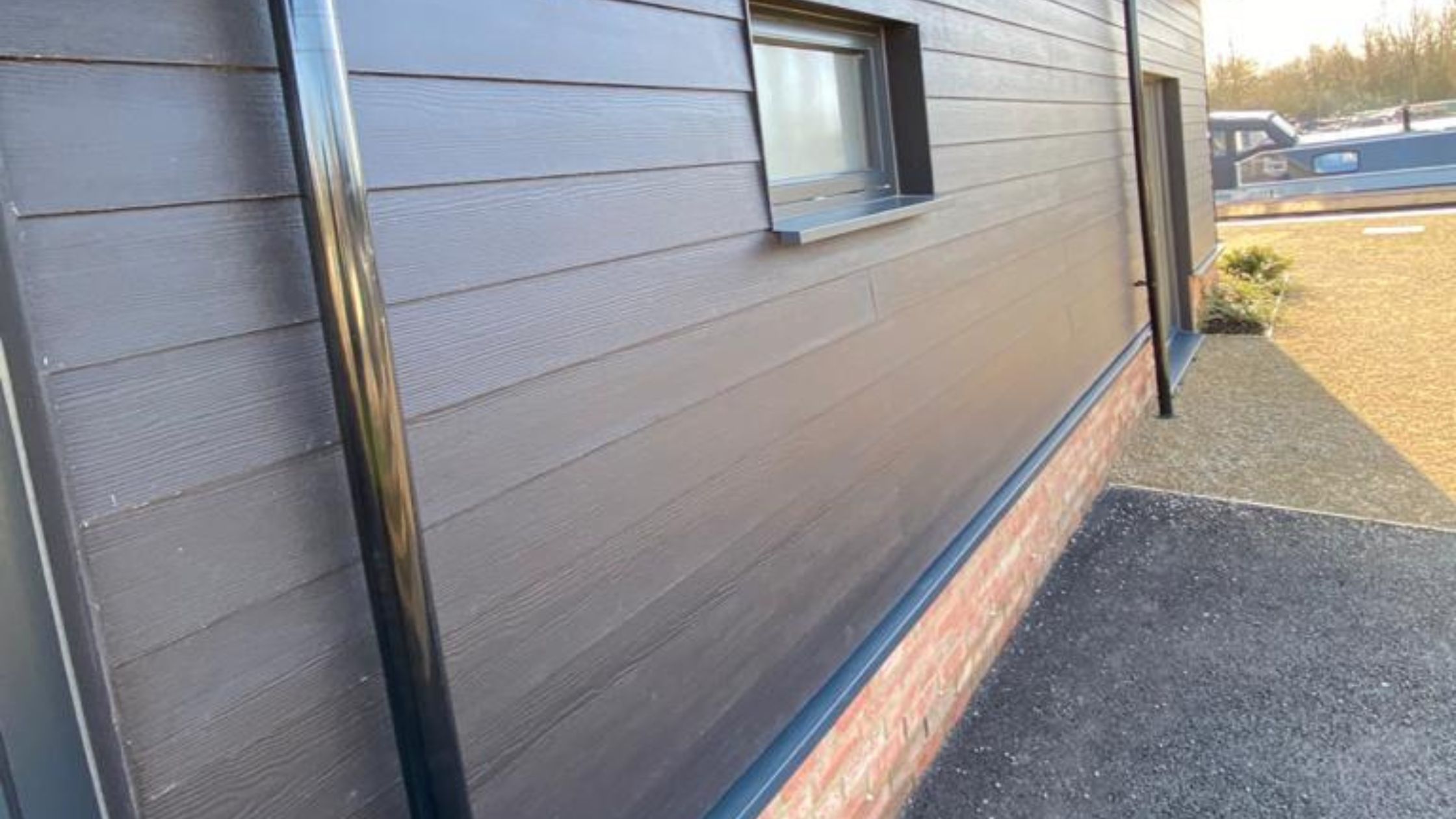
UK weather puts cladding under constant pressure. Rain, wind, frost and strong summer sun all cause materials to expand, contract, absorb moisture and weather at different rates. Add in general wear, UV exposure and the occasional poor installation, and it is easy to see why even good quality cladding can run into problems if it is not properly maintained or was not fitted correctly in the first place.
Most cladding issues fall into one of two categories: problems caused by the material reacting to the environment, or problems caused by how the cladding was installed. Understanding which one you are dealing with is usually the first step to fixing it properly.
Common External Cladding Problems in the UK
1. Cracking and Splitting
Cracks and splits are one of the most visible signs of cladding damage. They are often caused by thermal movement, where the material expands and contracts with temperature changes and eventually weakens at fixing points or joints. Impact damage, low quality materials and boards that were not fixed with enough allowance for movement can all contribute as well.
2. Warping and Bowing
This is particularly common with timber cladding, though composite and uPVC can be affected too. Warping usually happens when a board absorbs moisture unevenly, causing one side to expand more than the other. Incorrect fixing spacing and poor ventilation behind the boards can make this worse, as trapped moisture has nowhere to escape.
3. Water Ingress and Damp Behind Cladding
Water getting in behind the cladding is one of the more serious problems, since it can lead to damage you cannot see until it becomes significant. This is usually caused by failed seals around windows and doors, poor flashing detail, or boards that have not been overlapped correctly. A missing or damaged breather membrane behind the cladding can also allow moisture to sit against the wall structure rather than draining away.
4. Mould, Algae and Moss Growth
Green or black staining on cladding is almost always linked to persistent damp and limited airflow. North facing elevations, shaded areas and properties surrounded by trees are more prone to this, as the surface simply does not dry out as quickly. It is often more of a cosmetic issue than a structural one, but left untreated it can hold moisture against the material for longer than it should.
5. Fading and Discolouration
All cladding fades to some degree over time, but uneven or premature fading is usually down to prolonged UV exposure combined with a lower grade finish or pigment. South facing walls tend to fade faster than others simply because they see more direct sun. On exposed elevations, factory-finished fibre cement boards such as James Hardie HardiePlank are designed to hold their colour for longer.
6. Loose, Sagging or Missing Panels
Panels that have come loose or dropped are a clear sign that something was not right with the original fixing. This can be down to incorrect fixing centres, the wrong type of fixing for the substrate, or fixings that were not tightened to allow for the natural expansion and contraction of the material. Strong wind can accelerate this if the boards were already marginal.
7. Rot and Decay in Timber Cladding
Rot is one of the more serious issues and, once it takes hold, is not something that can be painted over. It develops when moisture becomes trapped against or within the timber, usually due to a lack of maintenance, failed coatings, or poor ventilation behind the boards. Timber cladding in contact with the ground or sitting too close to soil and planting is especially at risk.
8. Condensation Behind the Cladding
Condensation forming within the cavity behind cladding is often overlooked because it is not visible from outside. It usually points to insufficient ventilation in the cavity, a missing or incorrectly installed breather membrane, or insulation that has not been detailed correctly. Left unaddressed, this can lead to damp and mould within the wall structure itself.
9. Pest and Insect Damage
Gaps around fixings, joints or damaged sections of cladding can give pests an easy way in. Timber cladding is particularly attractive to wood boring insects, while gaps at the eaves or behind panels can also allow birds to nest. Beyond the nuisance, this can widen existing damage and make other problems worse.
10. Poor Original Installation
A large number of the problems above trace back to how the cladding was fitted in the first place. Incorrect fixing centres, the wrong fixings for the substrate, missing expansion gaps, and inadequate flashing around openings are among the most common root causes. Good quality material fitted badly will not perform as it should, which is why professional installation makes such a difference to how cladding holds up over time. On taller residential and commercial buildings, the choice of materials and how they are detailed also has to meet the fire safety guidance in Approved Document B.
What to Do If You Notice a Cladding Problem
Small issues rarely stay small. A minor crack, a patch of damp staining or a slightly loose panel is much easier and cheaper to put right than a section of failed cladding further down the line. If you notice any of the signs above, it is worth getting the affected area inspected properly rather than waiting to see if it gets worse.
In many cases, repair is possible if the issue is caught early and is limited to a small area. Where there is evidence of trapped moisture, rot, or multiple failure points across an elevation, replacement is usually the more reliable option, particularly if it means avoiding repeated repair visits. If you are weighing up the cost, our article on whether external cladding adds value to a house covers the financial side, and you can compare uPVC shiplap, composite and fibre cement options in our guide to types of external cladding.
How M3 Property Maintenance Can Help
Every project we take on starts with a proper inspection, so you know exactly what is causing the problem before any work begins. We provide honest advice on whether repair or replacement is the right call, and we carry out all cladding and roofline work to a high standard, using materials backed by manufacturer guarantees. You can view our accreditations and browse recent projects in our gallery.
Planning a repair or replacement? Visit our cladding installations in Milton Keynes page to see the systems we fit.
Frequently Asked Questions
About M3 Property Maintenance
M3 Property Maintenance brings over 25 years of combined experience to cladding installations across Milton Keynes and surrounding counties. We've helped numerous homeowners improve their properties' value, appearance and performance through quality cladding solutions.
Our approach starts with understanding your objectives, whether that's preparing for sale, reducing maintenance, improving energy efficiency or simply refreshing your home's appearance. We provide transparent assessments and work with premium materials that deliver lasting value.
If you're considering cladding and want to understand the value it could add to your property, get in touch to discuss your project and arrange a no-obligation site assessment.