
Your roofline is one of the hardest working parts of your property, yet it is often overlooked until something goes wrong. Fascias, soffits and gutters work together to carry rainwater away from the roof and walls, keep the roof void ventilated and stop birds and pests getting in. When any part of that system fails, the damage can spread quickly into roof timbers, brickwork and even the inside of your home.
This guide explains how your roofline works, the warning signs to look out for, what to check before winter and when replacement is the better option. It is written by the team at M3 Property Maintenance, who install and repair fascias, soffits and guttering in Milton Keynes and the surrounding counties.
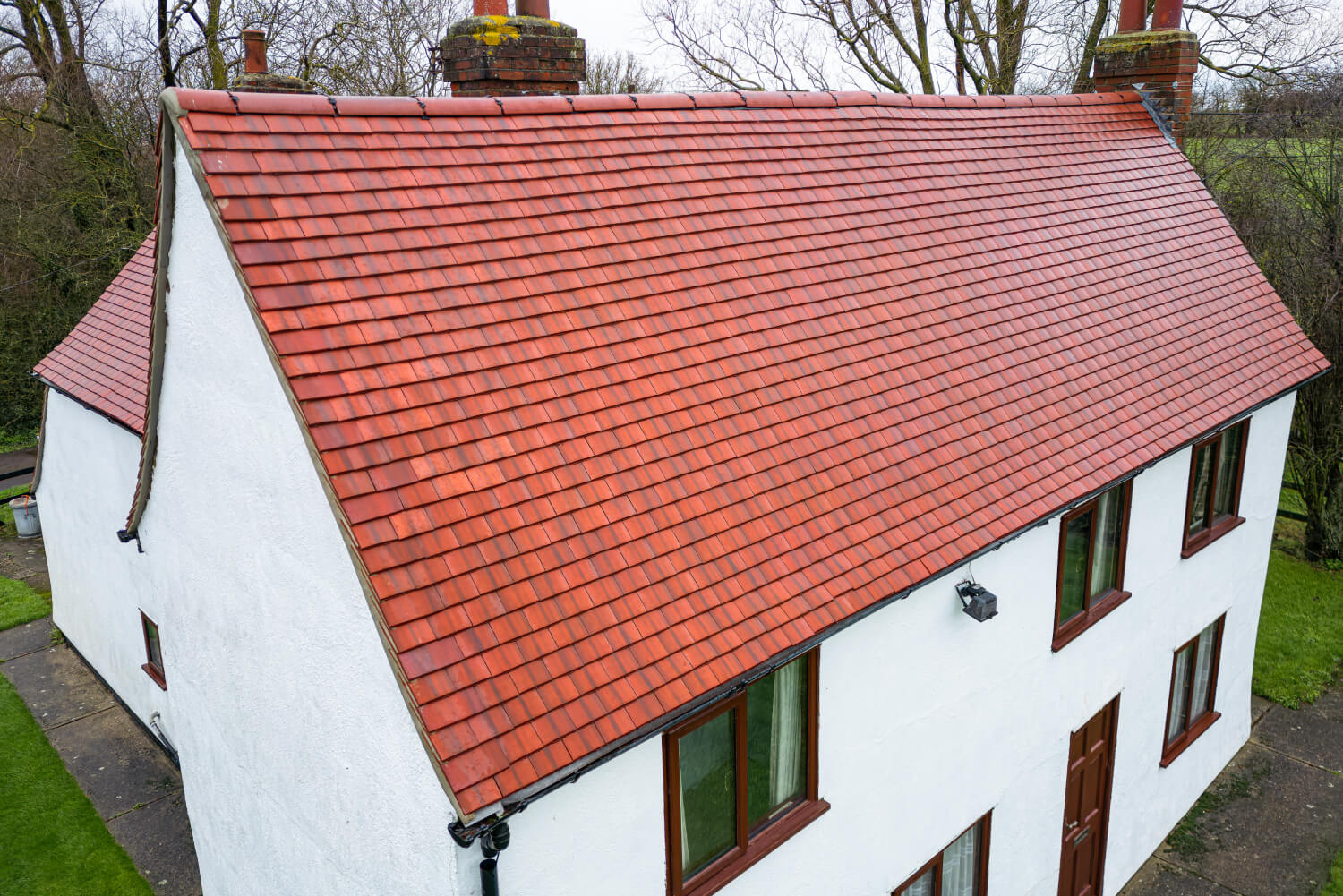
What Does Your Roofline Do?
The roofline is the collective name for the boards and rainwater goods that run along the edge of your roof:
- Fascias are the boards fixed to the ends of the roof rafters. They seal the roof edge and provide the fixing point for your gutters.
- Soffits sit underneath the eaves. Many include ventilation that lets air flow through the roof void and helps prevent condensation.
- Gutters and downpipes collect rainwater from the roof and carry it safely to the drains, away from your walls and foundations.
- Barge boards run along the sloping edges of a gable and protect the join between the roof and the wall.
A healthy roofline keeps water moving where it should. A damaged or blocked one lets it collect in places it can cause real harm.
What Happens If You Ignore Roofline Maintenance
1. Roof Damage and Leaks
If gutters, fascias or soffits are damaged or blocked, water can run back under the roof tiles and soak into the roof structure. The result can be leaks, rotting rafter ends and expensive repairs that began with a simple blockage or crack.
2. Damp Walls and Mould
Overflowing gutters send water down the face of your walls, which can erode brickwork and mortar. Over time you may notice damp patches indoors, peeling paint or black mould, and on clad properties it can also lead to the cladding problems caused by trapped moisture.
3. Pests and Nesting Birds
Gaps in soffits and fascias give birds, squirrels and insects an easy way into the roof space. Beyond the nuisance, nests can block ventilation and hold moisture against timber.
4. Foundation Problems
Water pouring from a broken downpipe or overflowing gutter onto the same spot, season after season, can soften the ground around your foundations. Left unchecked, this can contribute to cracking and movement, which is far more expensive to put right than a gutter repair.
Warning Signs Your Roofline Needs Attention
You can spot most roofline problems from the ground. Walk around your property, looking at the front, back and sides, and check for:
- Cracked, warped or rotting fascia and soffit boards, or peeling paint on timber
- Gutters that sag, leak at the joints or pull away from the fascia
- Water overflowing during rainfall, or staining and green streaks on the walls below
- Plants, moss or debris growing out of the gutters
- Gaps at the eaves, or birds and insects coming and going
Your loft can offer clues too. Damp spots, mould or daylight showing around the roof edges are all signs that the roofline may need repair.
Getting Your Roofline Ready for Winter
Autumn is the best time to check your roofline, before winter storms and freezing temperatures put it under the most pressure. A few simple checks go a long way:
- Clear the gutters. Leaves and debris stop water draining. When that standing water freezes, it expands and adds weight that can crack gutters or pull them away from the fascia.
- Check the joints and brackets. Loose brackets and leaking joints get worse under the weight of ice and heavy rain.
- Look for gaps in fascias, soffits and barge boards. Winter winds drive rain into any weak spots, where it can soak into the timber and masonry behind.
- Watch it in the rain. Overflowing or dripping gutters during a downpour are the clearest sign of a blockage or a fall problem.
If any of these checks involve working at height, please do not take risks on a ladder. The HSE work at height guidance explains why falls from ladders are so common, and a professional roofline survey costs far less than an injury.
Repair or Replace?
A single cracked board or a leaking joint can often be repaired. Replacement usually makes more sense when timber is rotten, several sections are failing at once, or you are paying for repeat callouts. It also allows the whole system to be upgraded in one visit, as the same access equipment is needed for fascias, soffits and gutters.
Most homeowners now choose low maintenance uPVC roofline products, and we are an approved installer for Swish Building Products. We also fit aluminium guttering, formed on site to fit your property for a seamless, long lasting finish. For larger or commercial buildings, our guide to when to replace soffits and fascias on a commercial property covers lifespans and planning in more detail.
A modern roofline also refreshes the look of your home, and it is one of the items surveyors look at when a property is sold. Many homeowners pair it with new cladding for a complete exterior upgrade, which you can read about in our external cladding guide.
How M3 Property Maintenance Can Help
Every roofline project starts with a full survey, so you know exactly what needs doing before any work begins. We provide honest advice on repair versus replacement, and our fascia, soffit and guttering service covers everything from single repairs to complete roofline upgrades. You can check our accreditations and see recent work in our gallery.
Frequently Asked Questions
About M3 Property Maintenance
M3 Property Maintenance brings over 25 years of combined experience to roofline and cladding work across Milton Keynes and the surrounding counties, including Buckinghamshire, Bedfordshire and Northamptonshire. We are CHAS and SMAS Worksafe accredited and an approved Swish installer.
If you have noticed leaks, damp or cracked fascias, get in touch or call 01908 984858 to arrange a free, no obligation roofline survey.