External cladding plays a vital role in protecting, insulating and enhancing the appearance of homes across the UK. Whether you’re renovating a property or building from scratch, understanding the different types of cladding available helps you make the right choice for your home and budget.
In this guide, we walk through the ten most common types of house cladding used in the UK, what makes each one different, and how to decide which suits your property. M3 Property Maintenance installs fibre cement, composite and uPVC systems through our cladding installation service, and you can see what we offer locally on our cladding in Milton Keynes page.
What Is External Cladding?
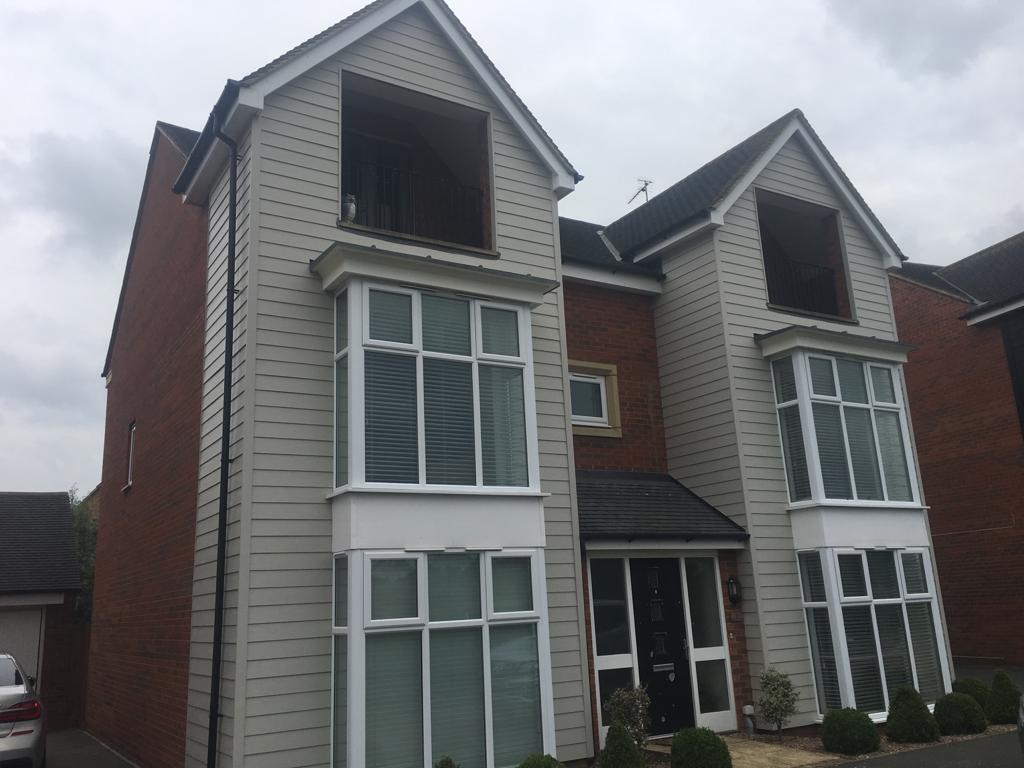
External cladding is a protective layer applied to the outside of a building, typically installed as panels or boards. It serves both functional and aesthetic purposes, shielding your home from the elements while improving its appearance.
In the UK, where weather can shift from driving rain to freezing temperatures without much warning, cladding is an increasingly popular upgrade. It helps manage moisture, prevents structural damage over time, and can make a real difference to how a property looks and performs.
Why Is Cladding Important for UK Homes?
Cladding is not just about kerb appeal. Done well, it protects your home from rain, wind and temperature changes, improves energy efficiency, and reduces how much maintenance you need to carry out year to year. Many homeowners also find it adds value to their property, particularly when a quality material is chosen and fitted properly.
Key benefits include:
- Protection against rain, wind and temperature changes
- Improved energy efficiency
- Enhanced property value
- Reduced maintenance requirements
- Modern or traditional aesthetic upgrades
Types of External Cladding Used on UK Homes
There are many types of exterior cladding available in the UK, each with its own advantages. Below are the most common options used on residential properties.
1. Timber Cladding
Timber is one of the most traditional choices for UK homes and still holds strong appeal today. It has a natural warmth that other materials struggle to replicate, and it can be painted or stained to suit different styles. Available in finishes such as shiplap and tongue and groove, it works well on both contemporary and period properties.
The trade-off is maintenance. Timber needs regular attention to keep it looking its best and to prevent weathering, warping and rot, which are among the most common cladding problems we are asked to fix. It suits homeowners who are happy to factor that in.
2. uPVC Cladding
uPVC is one of the most affordable and practical options available. It's lightweight, easy to install, and needs very little upkeep once it's in place. You'll find it in a wide range of colours and finishes, including the shiplap profiles made by Swish, making it a flexible choice for most property types.
It's not the most premium-looking material, and some finishes can fade over time, but for homeowners who want a cost-effective, low-maintenance solution, it does the job reliably.
3. Composite Cladding
Composite cladding combines wood fibres with recycled plastics to create a material that looks like timber but performs considerably better over time. It resists rot, insects and moisture without needing the regular maintenance that natural wood requires.
The upfront cost is higher than uPVC or timber, but the long lifespan and minimal upkeep make it a strong long-term investment. It's become one of the most popular choices in recent years, particularly for modern extensions, garden rooms and new builds.
4. Fibre Cement Cladding
Fibre cement is made from cement, sand and cellulose fibres, producing a strong, weather-resistant material that performs exceptionally well in the UK climate. It's available in a variety of textures and colours, including products such as James Hardie HardiePlank that closely resemble timber weatherboard.
It's also fire resistant, which is a meaningful consideration for many homeowners. Installation costs are higher than some alternatives, but the durability and safety credentials make it a widely recommended choice.
5. Brick Slip Cladding
Brick slips are thin cuts of real brick installed as a decorative layer over an existing surface. They give the appearance of traditional brickwork without the structural weight, making them a practical option for properties where you want to maintain a classic British aesthetic.
They tend to be more expensive than standard cladding options, but they blend well with existing architecture and offer good durability.
6. Metal Cladding
Metal cladding, typically aluminium, steel, zinc or copper, suits contemporary designs and commercial properties well. It's highly durable, fire resistant and requires very little maintenance over its lifespan.
The look is sleek and modern, which won't suit every home, and the cost reflects the quality of the material. For the right property, though, it offers excellent longevity and a striking finish.
7. Stone Cladding
Stone cladding, whether natural or manufactured, gives a high-end finish that's hard to match. It's extremely durable, adds character to a property, and tends to hold its value well.
The downsides are cost and weight. It's one of the more expensive options and requires careful installation, but for premium builds or traditional properties, it can be a genuinely impressive upgrade.
8. Render and Stucco
Render is one of the most common external finishes in the UK, applied as a plaster-like coating directly to external walls. It's affordable, versatile, and available in a wide range of colours and textures, from smooth to heavily textured finishes.
It can crack over time if not properly maintained or if the underlying structure moves, so it's worth factoring in periodic checks and touch-ups as part of ownership.
9. Tile and Slate Cladding
Tile and slate are often found on older or period properties and can work well when you want to match an existing architectural style. Both materials are durable and weather resistant, though installation costs tend to be on the higher side.
10. Glass Cladding
Glass cladding is still relatively uncommon on residential homes but is growing in popularity for contemporary designs. It creates a striking, light-filled appearance and, when installed correctly, is genuinely durable. The cost and specialist installation requirements mean it's typically reserved for high-spec projects.
How to Choose the Right Cladding for Your Home
Choosing between the different types of cladding depends on several factors. Budget is usually the starting point, with materials like uPVC sitting at the more affordable end and stone or metal at the premium end. Alongside cost, it is worth thinking about how much maintenance you are willing to take on. If low upkeep is a priority, composite or fibre cement tend to be the better fit.
Appearance matters too. Some materials suit a modern aesthetic, while others work better on traditional properties. Durability is closely linked to this, particularly in the UK where weather can be harsh. Choosing a material that handles moisture and temperature changes well will save you problems down the line.
Finally, check the planning position before you commit. The Planning Portal explains that houses can usually be clad without planning permission if the materials look similar to the original, but listed buildings and conservation areas need permission. If you are in Milton Keynes, you can check the council's conservation areas first.
Is Cladding Energy Efficient?
Yes, when installed correctly. Many modern cladding systems are fitted with an insulation layer behind them, which helps reduce heat loss and can lower energy bills over time. The Energy Saving Trust has useful guidance on how external wall insulation works. Ventilated cladding systems also help regulate moisture within the wall build-up, improving the overall performance of your home's envelope.
Choosing the Right Cladding
There are more cladding options available today than ever before, which means there is a solution to suit most properties, budgets and preferences. Whether you are drawn to the natural look of timber, the durability of fibre cement or the low maintenance appeal of composite, the key is choosing a material that works for your specific home and the conditions it faces.
Professional installation makes a significant difference too. Even the best material will underperform if it is not fitted correctly, so check your installer's accreditations and read our external cladding guide for more on installation, maintenance and building regulations.
Frequently Asked Questions
About M3 Property Maintenance
M3 Property Maintenance has been serving homeowners across Milton Keynes and surrounding areas for over 9 years, with the team bringing more than 25 years of combined experience to every project. We specialise in external property improvements including fibre cement, composite and uPVC cladding installations.
Our approach focuses on quality workmanship, transparent communication and installations that stand the test of time. We work with leading manufacturers to ensure you receive materials backed by comprehensive guarantees, and we take care to understand your specific needs before recommending solutions.
If you're considering cladding for your property, get in touch to discuss your project and arrange a no-obligation site assessment.