Soffits and fascias are easy to ignore until they become a problem. Then the consequences can escalate quickly, especially on a commercial building where water ingress, blocked drainage, and unsafe roofline defects can affect tenants, staff, visitors, and day to day operations. On many sites, the roof edge also carries visible brand and maintenance signals, so worn roofline detailing can undermine the impression your business makes.
M3 Property Maintenance delivers specialist roofline work including fascia and soffit replacement, guttering installation and roofline upgrades for domestic and commercial clients, with service coverage across Milton Keynes and the surrounding counties.
What soffits and fascias do on a commercial building
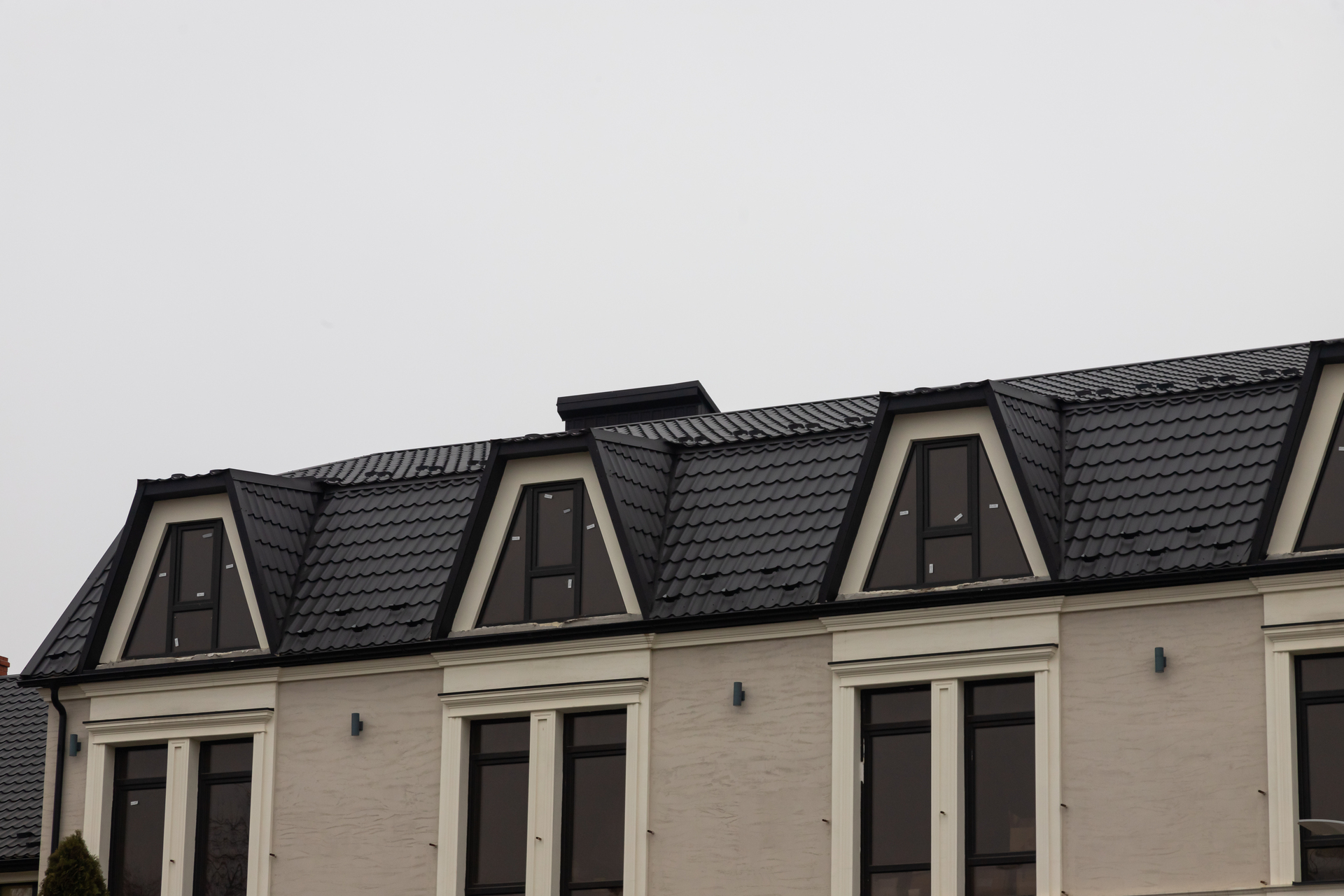
A fascia board sits at the roof edge and commonly provides a fixing surface for guttering and roofline finishes. Soffit boards sit underneath the eaves and often incorporate ventilation openings that help manage moisture and condensation in the roof void. Fascias as boards at the eaves where guttering is attached, and soffits as boards on the underside of the eaves where ventilation holes are generally provided.
On commercial properties, soffits and fascias help to:
Protect the roof edge from wind driven rain and water ingress
Support and stabilise guttering and rainwater goods
Reduce the risk of damp and timber decay in adjoining roof components
Maintain airflow and ventilation routes where they form part of the roof design
Keep pests out of roof spaces and services voids
Support a neat, professional external finish that tenants and customers notice
When should you replace soffits and fascias in a commercial property
There is no single calendar date when you must replace roofline components. The right trigger is usually a combination of condition, risk, and the cost of repeated reactive repairs. That said, there are clear warning signs that replacement is more appropriate than patching.
You can see damage, gaps, cracking, or deformation: Cracks and holes can allow water, debris and pests into the roof edge and can undermine gutter stability.
Gutters are sagging, leaking, or pulling away: Fascia boards support guttering. If gutters are pulling away, sagging, or leaking at joints, the fascia behind them may be failing. On a commercial site, gutter failure can create additional risk, including overspill onto walkways, splashback onto cladding, and accelerated staining or damp at façade level.
You see staining, damp patches, or recurring overflow marks: Water staining on soffits or walls below the roofline points to water tracking where it should not.
Peeling paint and degraded coatings on timber rooflines: If you still have timber fascias or timber soffits, peeling paint is often an early indicator that moisture is penetrating and protective coatings have failed.
Pest activity or nests at roof level: Gaps and compromised soffits can allow pests into roof spaces. Compromised soffits allow pests into roof spaces which is a common roofline problem.
Ventilation problems and condensation risk: Damaged or outdated soffits can restrict airflow, which can contribute to condensation and mould. When replacing fascia boards or soffits you should check ventilation is not reduced, as reduced ventilation could cause condensation and damp on timbers.
You are stuck in a repair cycle: If you are repeatedly paying for minor repairs and callouts, replacement can become the more predictable and cost controlled option.
How often should you replace soffits and fascias in commercial properties
For commercial buildings, a sensible approach is to separate inspection frequency from replacement frequency.
Inspection frequency:
Most facilities teams adopt routine external checks at least annually, and additional checks after severe weather or major drainage incidents.
Replacement frequency depends on material, exposure, and installation quality. Common indicative lifespans in UK conditions include:
- Timber fascias and soffits often have shorter service lives and are more vulnerable to rot if coatings fail. Eurocell notes timber fascias and soffits last around 10 years, longer if treated.
uPVC roofline systems are widely used because they resist rot and require lower routine maintenance. uPVC has a lifespan of around 20 to 30 years.
Aluminium systems can deliver long lifespans where specified and installed correctly. Thirty years or more for aluminium fascia and soffit systems, though real outcomes depend on environment and design.
For commercial sites, replacing soffits and fascias may be scheduled sooner if:
The roof edge is highly exposed to wind driven rain.
Gutters overflow regularly due to tree coverage or poor falls.
The building has complex roof geometry that makes local repairs unreliable.
There are high public safety consequences of failure near entrances, loading bays, or high footfall routes.
Repair, cap, or full replacement for a commercial roofline
Do you need building regulations approval to replace fascias and soffits
Conclusion
At M3 Property Maintenance, every roofline project begins with a full site survey. We assess the visible elements and investigate potential hidden issues, identify the most suitable materials for your property, and provide clear, transparent pricing before any work begins. This ensures you have a complete understanding of the condition of your roofline and the scope of work required.
We regularly work with commercial property managers and letting agents, delivering professional roofline solutions including fascia and soffit replacement, guttering installation, and complete roofline upgrades. Our service coverage includes Milton Keynes and the surrounding counties of Buckinghamshire, Bedfordshire, Berkshire, Northamptonshire, Hertfordshire and Oxfordshire, with the capability to support projects more widely across the UK when required.
Frequently Asked Questions
About M3 Property Maintenance
M3 Property Maintenance has been serving homeowners across Milton Keynes and surrounding areas for over 9 years, with the team bringing more than 25 years of combined experience to every project. We specialise in external property improvements including fibre cement, composite and uPVC cladding installations.
Our approach focuses on quality workmanship, transparent communication and installations that stand the test of time. We work with leading manufacturers to ensure you receive materials backed by comprehensive guarantees, and we take care to understand your specific needs before recommending solutions.
If you're considering cladding for your property, we're here to provide honest advice and professional installation. Get in touch to discuss your project and arrange a no-obligation site assessment.